
Nature’s Pulse Within Concrete Jungles Embracing Leaf Secrets
Amidst the towering skyscrapers and bustling streets of modern cities, a subtle yet profound transformation is taking place. This change is not driven by technology or human innovation, but rather by the timeless wisdom of nature itself. As urban dwellers become increasingly aware of the benefits of reconnecting with the natural world, the concept of biophilia has gained traction. This movement highlights the innate human affinity for life and life-like processes, emphasizing the incorporation of nature into urban environments. In such places, nature’s pulse resonates through the concrete jungles, whispering secrets through the rustling of leaves and the gentle sway of trees.
Nature’s Pulse Echoes Through Urban Landscapes
The integration of natural elements in urban settings has transformed the way these spaces are perceived and experienced. Parks, rooftop gardens, and green walls have become essential components of city planning, creating sanctuaries where one can escape the relentless pace of city life. These green spaces serve as the lungs of cities, providing fresh air and a respite from the concrete and steel that dominate the urban landscape.
As people seek refuge from their hectic routines, the presence of nature within city limits offers a unique form of solace. The verdant patches scattered throughout urban areas are not merely decorative; they are vital to mental and physical well-being. The psychological effects of greenery, such as reduced stress levels and improved mood, have been well-documented. In this way, the pulse of nature reverberates through city streets, reminding inhabitants of the profound connection between humans and the natural world.
One cannot overlook the environmental benefits that come with integrating nature into urban spaces. Trees and plants play a pivotal role in reducing air pollution, moderating urban temperatures, and supporting biodiversity. By embracing these leaf secrets, cities can become more resilient and sustainable, adapting to the challenges posed by climate change and rapid urbanization.
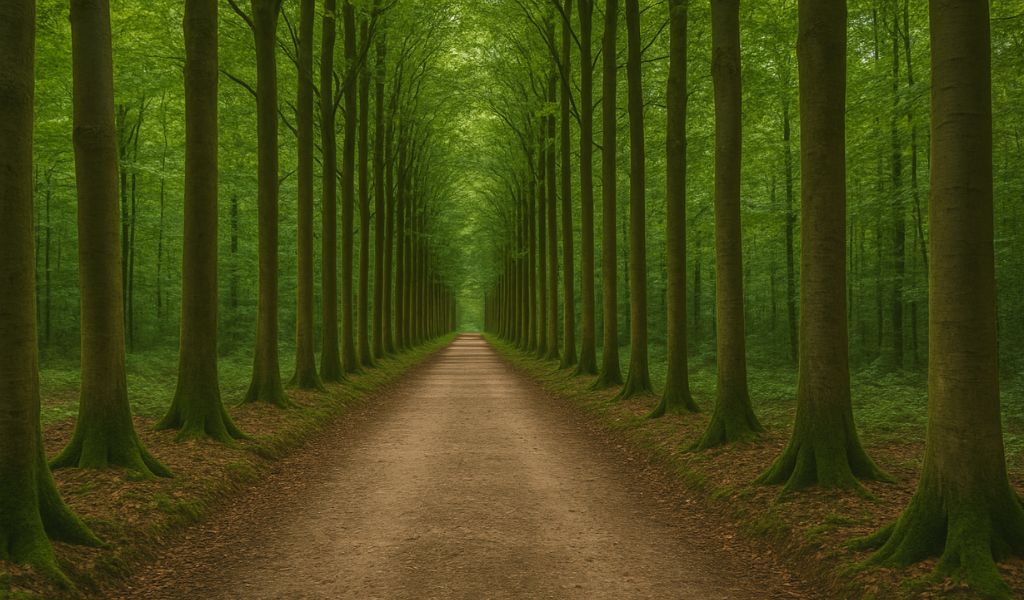
Leafy Sanctuaries: more Than Just Aesthetic Appeal
While the visual appeal of lush landscapes is undeniable, the benefits of urban greenery extend far beyond mere aesthetics. The presence of plants in urban environments contributes to a myriad of positive outcomes. These include fostering community interaction, enhancing property values, and even boosting cognitive function among city dwellers.
Green spaces serve as communal hubs, where individuals from diverse backgrounds come together to share experiences and forge connections. In these settings, people can engage in recreational activities, participate in community events, or simply enjoy the tranquility of nature. Such interactions help to strengthen social bonds and foster a sense of belonging, which is essential for a thriving urban community.
Additionally, urban greenery has been shown to enhance cognitive performance, particularly in children and the elderly. Exposure to natural environments has been linked to improved attention spans, memory retention, and overall cognitive function. By nurturing these leafy sanctuaries, cities can cultivate environments that promote both mental and physical health.
Embracing the Secrets of Nature for a Sustainable Future
As cities continue to grow and evolve, the incorporation of nature into urban planning becomes increasingly vital. The secret lies in understanding the patterns and processes that govern natural ecosystems and applying this knowledge to urban environments. This approach not only enhances the quality of life for city dwellers but also ensures the sustainability of these spaces for future generations.
To embrace the secrets of nature effectively, several strategies can be employed :
- Promote biodiversity: encouraging a diverse range of plant and animal species within urban areas supports ecosystem health and resilience.
- Integrate green infrastructure: designing cities with green roofs, living walls, and permeable surfaces helps manage stormwater, reduce the urban heat island effect, and improve air quality.
- Prioritize community involvement: engaging local residents in the planning and maintenance of green spaces fosters a sense of ownership and responsibility.
- Incorporate nature-based solutions: utilizing natural processes in urban design, such as rain gardens and bioswales, enhances environmental sustainability.
In embracing these strategies, urban areas can transform into vibrant, sustainable ecosystems that nurture both people and the planet. The secrets held within the leaves of urban greenery offer a blueprint for a harmonious coexistence between humanity and nature, ensuring a thriving future for all.