
Luxury Furniture: The Subtle Power of Brass Details
In the world of luxury furniture, the smallest details often make the biggest impact. A subtle curve of wood, the gleam of polished marble, or the unexpected touch of brass can transform a piece from merely functional to undeniably iconic. Brass, in particular, has long been celebrated for its warm, golden hue and its ability to elevate any design. Unlike trend-driven finishes that fade with time, brass possesses a timeless quality, making it a favorite for designers and collectors alike. Its understated presence can anchor a piece of furniture in sophistication while adding a whisper of opulence.
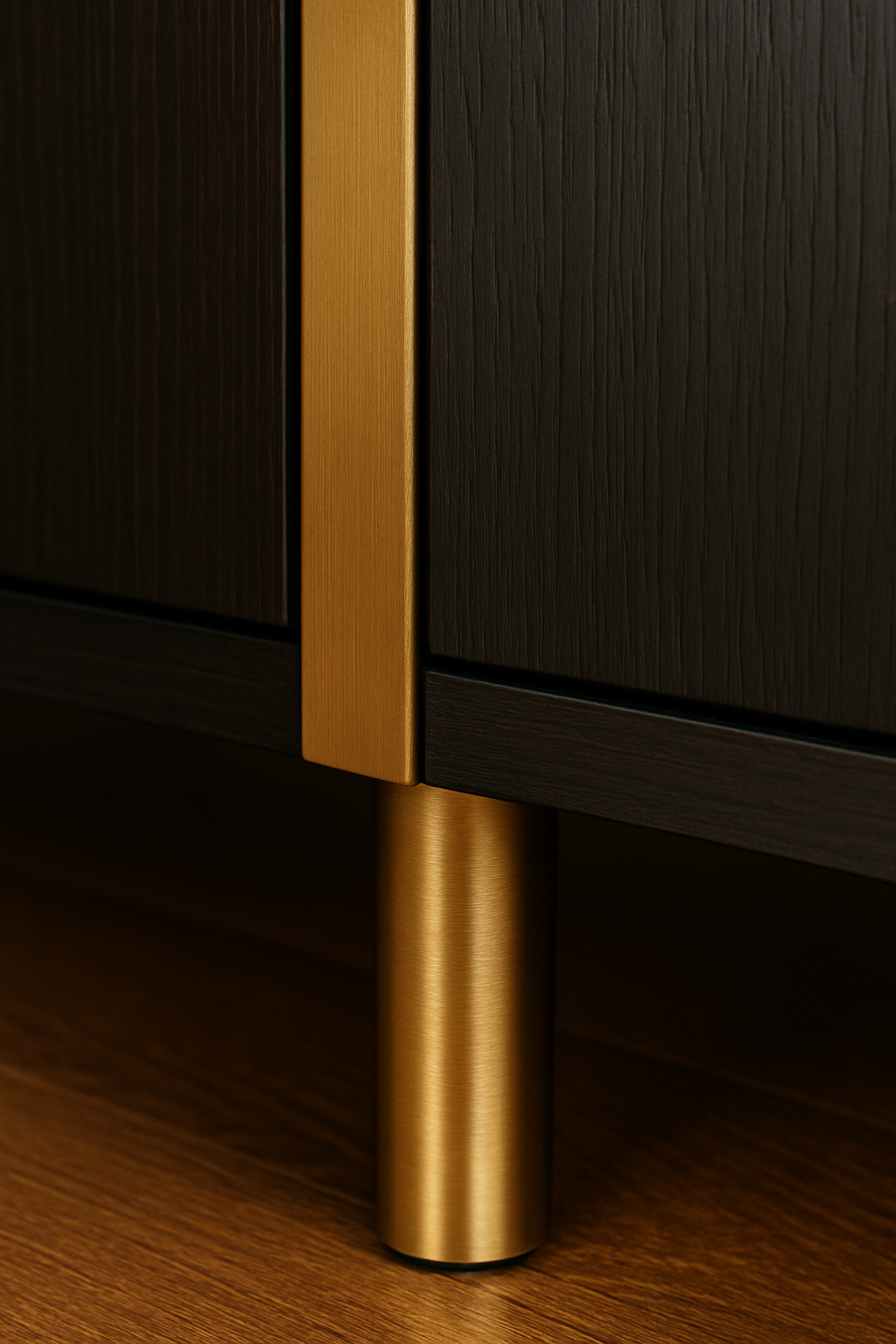 The use of brass in furniture dates back centuries, yet its relevance remains as strong as ever in contemporary design. From the Art Deco movement of the early 20th century to today’s minimalist interiors, brass has adapted seamlessly to different styles and aesthetics. A simple brass inlay on a table edge or a discreet brass handle on a sideboard can create an instant connection between past and present. Collectors often note how brass interacts beautifully with both light and shadow, reflecting subtle tones that enhance the depth of the surrounding materials. When designers carefully integrate brass details, they strike a delicate balance between ornament and restraint.
Modern luxury brands continue to experiment with brass, pushing its potential in new directions. For example, contemporary artisans combine brass with exotic hardwoods or sleek black lacquer, creating visual contrasts that command attention. In some cases, brass is treated with unique finishes—brushed, patinated, or even darkened—to evoke different moods. This versatility explains why discerning buyers often turn to specialists such as Starbay when seeking pieces that embody the perfect mix of tradition and modern refinement. Such craftsmanship highlights not only the material’s aesthetic appeal but also its practical durability, ensuring that each piece stands the test of time.
One of the most remarkable aspects of brass is its chameleon-like ability to adapt depending on the context. In a contemporary loft with exposed brick and industrial beams, a brass-detailed console table adds warmth and refinement. In a classic villa, brass fixtures on dark mahogany furniture exude an air of tradition and heritage. Designers often emphasize how brass serves as a bridge between different materials—soft textiles, raw woods, and polished stone—tying together disparate elements into a coherent whole. This is why brass is often described as the “silent hero” of luxury interiors, enhancing without overpowering the overall composition.
Beyond aesthetics, brass also communicates subtle cultural messages. Historically associated with ceremonial objects, naval instruments, and prestigious architecture, brass carries with it connotations of authority and resilience. Choosing furniture with brass details can therefore reflect a lifestyle rooted in elegance and discernment. For many homeowners, such choices are not only about beauty but about expressing a certain identity. A brass-accented desk in a study, for instance, is not merely a surface for work; it becomes a statement of refinement, evoking both tradition and ambition.
Designers often speak of the tactile experience brass provides. Unlike cold stainless steel or stark chrome, brass feels warm to the touch. Its surface develops a gentle patina over time, telling the story of its use and aging gracefully rather than deteriorating. This evolving character is cherished by collectors, who view the patina as a living record of the furniture’s journey. Such qualities make brass more than just a decorative element; it is a material that invites interaction and deepens emotional connections with the objects it embellishes.
The integration of brass is not limited to furniture alone but extends into complementary décor. Lighting fixtures with brass arms, mirrors framed in golden tones, and cabinet hardware with subtle brass touches all reinforce the ambiance created by a brass-accented table or cabinet. This layered approach allows interior spaces to feel cohesive without overwhelming the senses. By repeating subtle brass notes throughout a room, designers achieve a rhythm that ties the entire environment together, much like a recurring musical theme.
It is also worth noting the environmental resilience of brass. Unlike materials that tarnish irreparably, brass can be restored with relative ease, retaining its luster for decades. This longevity makes it a sustainable choice in luxury design, aligning with the growing preference for pieces that combine beauty with responsibility. A well-crafted piece of furniture with brass details can be passed down through generations, becoming not just a household item but a family heirloom. This enduring quality resonates with buyers seeking meaningful investments rather than disposable décor.
For those curating their interiors, the question often becomes how much brass is the right amount. Too little, and the detail may be overlooked; too much, and the effect risks becoming gaudy. Expert designers resolve this by using brass as an accent rather than the dominant feature. Handles, inlays, trims, and legs are common applications that provide just the right amount of gleam. The art lies in restraint, where every touch of brass feels intentional, creating harmony rather than excess.
Perhaps the greatest power of brass lies in its ability to evoke emotion subtly. When placed in the right context, a brass detail can spark nostalgia for a bygone era, admiration for skilled craftsmanship, or even curiosity about the story behind the piece. These emotional responses are what elevate furniture from functional objects to works of art. Luxury, after all, is defined not only by rarity or expense but by the ability to inspire and endure. Brass, in its quiet brilliance, embodies that very definition.